About the Product
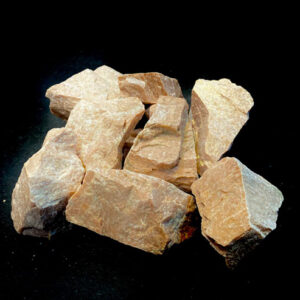
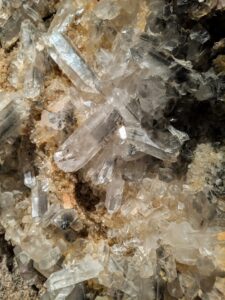
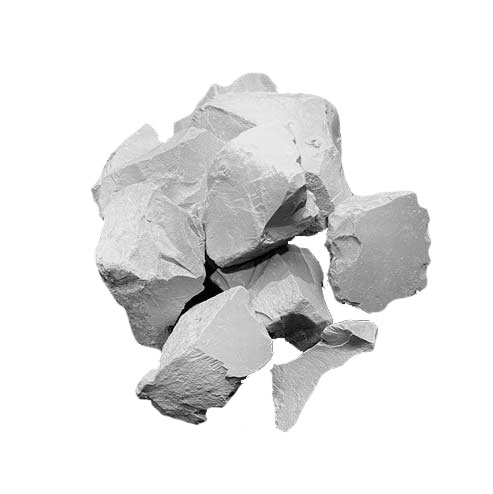
Ball clays are kaolinitic sedimentary clays with 20-80% kaolinite, 10-25% mica, and 6-65% quartz. The number of main minerals, accessory minerals, and carbonaceous elements such as lignite varies between localised seams within the same deposit. They are fine-grained and pliable in nature, and when burnt, unlike most earthenware clays, they produce a high-quality white-colored pottery body, which is why they are so popular with potters. Due to the complex geological variables required for their production and preservation, ball clays are rather rare deposits.
It varies from china clay in that it is more flexible and less refractory. Ball and china clays are chemically similar, with the exception that the latter has a higher amount of silica. It got its name from the practice of extracting it from clay mines in the UK in the shape of ball-like bulges.
The Daga Advantage: Why Industry Leaders Choose Our Ball Clays
Unrivaled Purity
Our advanced chemical refining ensures zero contaminants, providing superior opacity and surface finish for delicate industrial applications.
Global Logistics
Strategically located hubs across three continents ensure JIT (Just-In-Time) delivery and reduced lead times for high-volume orders.
24/7 Support
Dedicated mineralogists and technical consultants available around the clock to solve formulation challenges and optimize your production.
Global Packaging Solutions
Standard PP Bags
25kg / 50kg Multi-layered moisture resistant
Jumbo Bags (FIBC)
500kg / 1000kg with lifting loops
Bulk Supply
Loose bulk shipment via dedicated pneumatic tankers
Our Global Reach
Serving over 45 countries with strategic distribution nodes for uninterrupted industrial supply chains.

Need a custom formulation or technical evaluation?
Our engineering team can tailor our mineral properties to match your specific production requirements.
Related Minerals
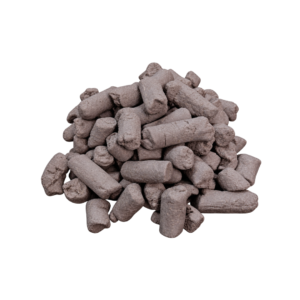
Blended Clay
View Specifications arrow_forward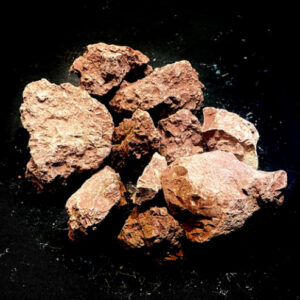
Fire clays
View Specifications arrow_forward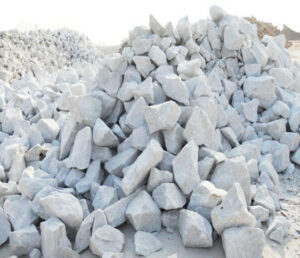
China Clay
View Specifications arrow_forward